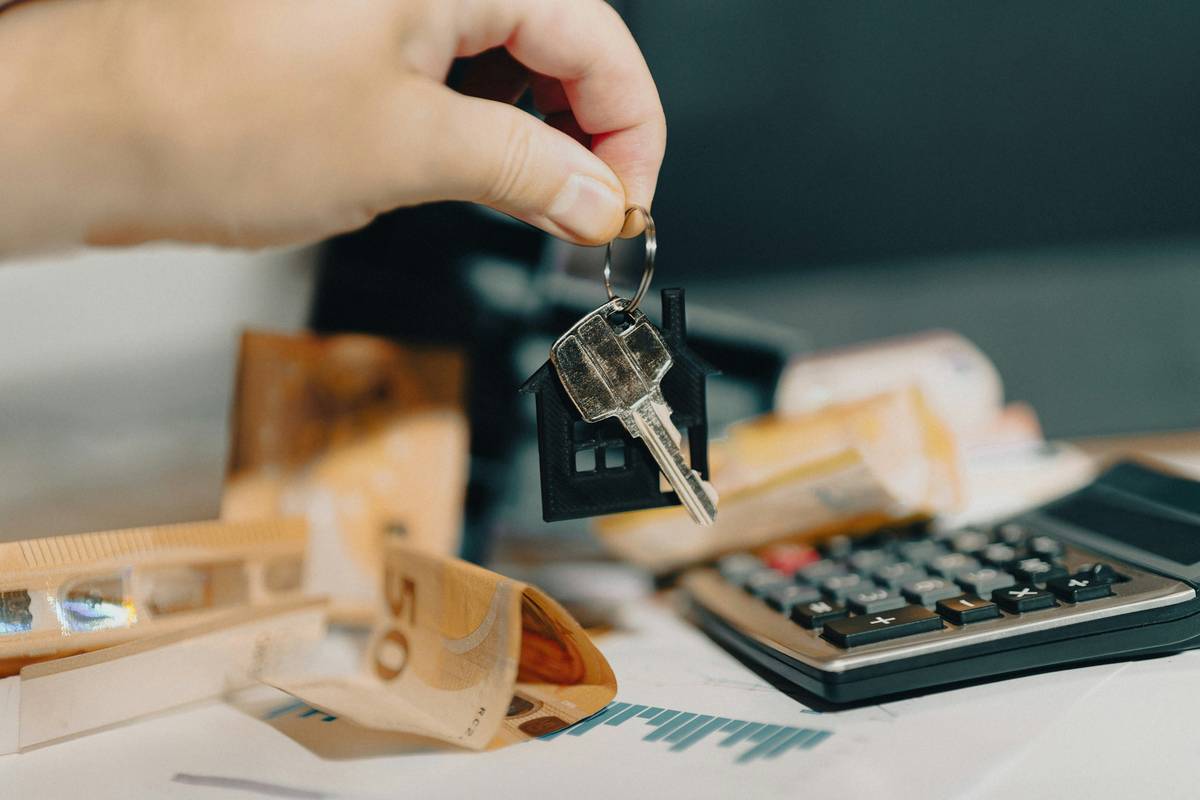
You bought a rental property expecting steady cash flow. Instead, you’re drowning in repairs, vacancies, and unexpected fees. The gap between projected returns and reality feels like a betrayal. Here’s the truth: the so-called “average rental property profit” most gurus quote is a fantasy—unless you master the hidden levers nobody talks about.
Why Most Landlords Miss the Average Rental Property Profit Mark
They chase yield without understanding cost creep. Roof leaks. Tenant turnover. Property tax hikes. These aren’t outliers—they’re constants. And yet, new investors plug optimistic numbers into online calculators and call it due diligence.
The math collapses fast. A 7% cap rate looks great on paper—until your HVAC dies in July and your “vacancy buffer” covers only half of August’s lost rent. You’re not bad at real estate. You’re just using outdated models.
How to Actually Achieve (or Exceed) the Average Rental Property Profit
Forget cookie-cutter advice. Real profit comes from controlling variables others ignore. Start here:
Location Isn’t Just About Appreciation—It’s About Tenant Stability
A B-class neighborhood with stable employment beats an A+ zip code with transient renters. Lower turnover = lower re-leasing costs = higher net income. Always.
Expense Ratios Are Your Early Warning System
If maintenance eats more than 8% of gross rent annually, your asset is bleeding. Track this monthly—not yearly. React before small issues become capital events.
BORROW SMART—Not Just CHEAP
A 30-year fixed loan might feel safe, but a 15-year ARM with a 5/1 structure can slash interest costs during peak cash-flow years. Match debt terms to your profit horizon.

| Strategy | Upfront Cost | Annual ROI Potential | Risk Level |
|---|---|---|---|
| Buy-and-hold in emerging suburbs | Moderate | 6–9% | Medium |
| Value-add repositioning | High | 10–14% | High |
| Short-term rentals (regulated markets) | Low-Moderate | 8–12% | Very High |
| Section 8 with proactive management | Low | 5–7% | Low |

The Industry Secret: Profit Lives in the “Invisible” 12%
Here’s what seasoned operators know—and never post on Instagram: the biggest margin gains come from operational friction, not purchase price. One operator in Ohio cut his average vacancy from 21 days to 6 by pre-screening tenants during lease expiration months. That’s $1,800 extra per unit, per year—pure profit.
Another runs all maintenance through a single licensed handyman on retainer. No markups. No emergency premiums. Her repair costs are 27% below market—without sacrificing quality. These aren’t “hacks.” They’re disciplined systems that compound quietly while others chase appreciation fairy tales.
Frequently Asked Questions
What is the average rental property profit after expenses?
Most single-family rentals net 4–7% annually after mortgage, taxes, insurance, maintenance, and vacancies. Portfolio operators with scale often hit 8–10% through operational efficiency.
How much should I budget for repairs each year?
Aim for 8–12% of gross annual rent. Older properties or humid climates may require 15%. Track every dollar—don’t guess.
Can short-term rentals boost average rental property profit?
Only if local laws allow it and occupancy stays above 65%. Otherwise, regulatory risk and turnover burn up gains fast.