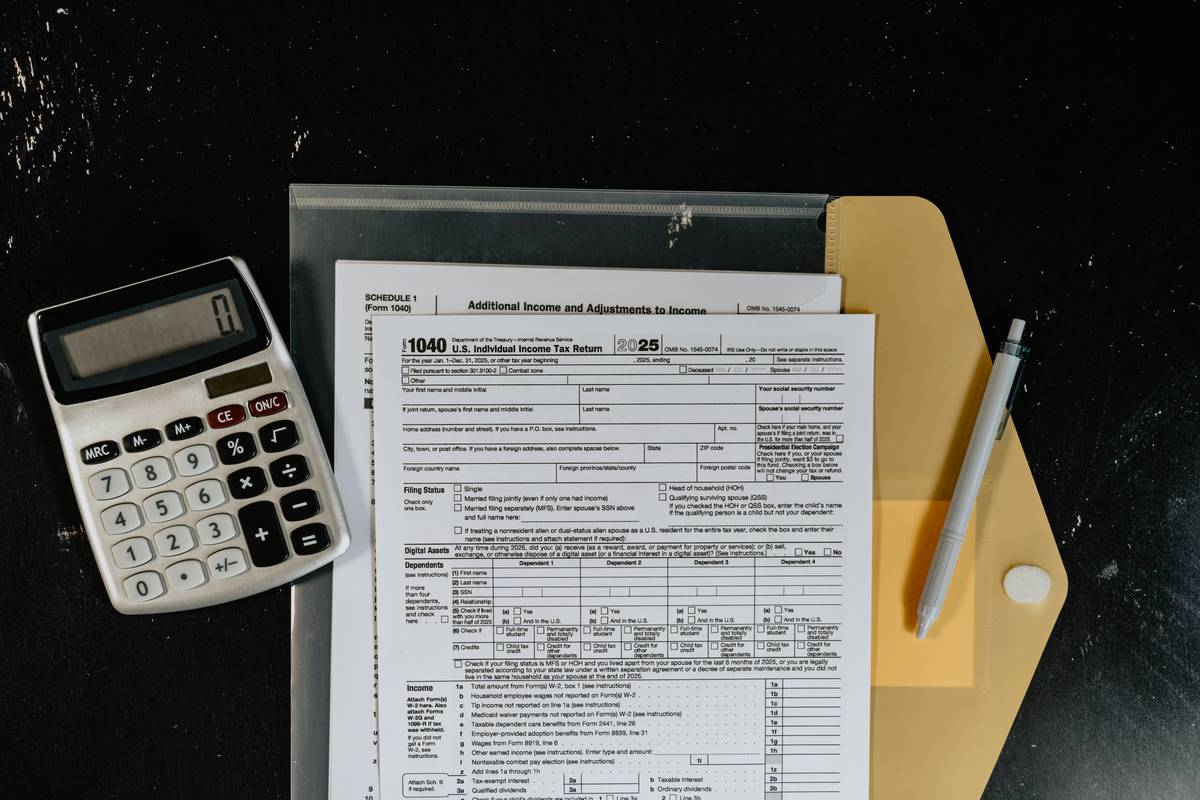
You’re drowning in mortgage payments—but your Airbnb income barely covers utilities. And when tax season hits, the IRS treats your cozy mountain cabin like a full-blown business… with none of the write-offs. Here’s the kicker: most hosts overpay taxes because they miss a narrow, legal exception buried in Section 280A of the tax code. But you? You’re about to flip the script.
Why Standard Short-Term Rental Tax Strategies Fail
Most landlords treat their short-term rental like a long-term one—big mistake. The IRS draws a hard line at 14 days. Rent it more than two weeks a year? Suddenly, it’s a business. Depreciation, maintenance, even that fancy smart lock become deductible—but only if you navigate strict passive activity loss rules. Miss one box on Schedule E, and you lose everything.
And worse—you can’t deduct losses against W-2 income unless you qualify as a real estate professional. Which 97% of hosts don’t. So those “tax-free” profits? They’re taxable—and then some.
Step-by-Step Guide to Using the Short Term Rental Tax Loophole
The loophole isn’t magic. It’s math. And meticulous recordkeeping. Here’s how to stay compliant while slashing your tax bill:
Track Every Night Like a Hawk
If you rent for 14 days or fewer per year, all rental income is tax-free—no reporting required. Zero. Zip. Nada. Yes, even if you made $20,000 in two weeks during Coachella. But cross day 15? The entire year becomes taxable. One extra night wipes out the exemption. Be ruthless with your calendar.
Maximize Deductions When You Cross the Threshold
Once you pass 14 days, reclassify your property as a business. Now, every expense tied to guest use becomes deductible: cleaning fees, platform commissions, even half your internet bill. But here’s the twist—personal use ruins everything. Use the property more than 14 days OR 10% of rental days (whichever is greater)? The IRS limits your deductions. Track personal nights like contraband.
Leverage Cost Segregation (Even for Studios)
Most hosts think cost segregation is for apartment complexes. Wrong. Even a single-room loft qualifies. By accelerating depreciation on flooring, fixtures, and appliances, you can create paper losses that offset ordinary income—if you meet material participation tests. It’s aggressive but legal. Hire a specialist who knows short-term rentals, not just residential RE.

| Rental Days/Year | Tax Treatment | Deductible Expenses? | Personal Use Limit |
|---|---|---|---|
| ≤14 days | Tax-free income — no filing needed | No (but also no tax) | Unlimited (but track it anyway) |
| 15–180 days | Taxed as business; losses limited by passive rules | Yes—but pro-rated if personal use >14 days or 10% | ≤14 days OR ≤10% of rental days |
| >180 days + material participation | Active business; full deductions + loss carryforwards | Yes—100% if no personal use | Ideal: zero personal use |
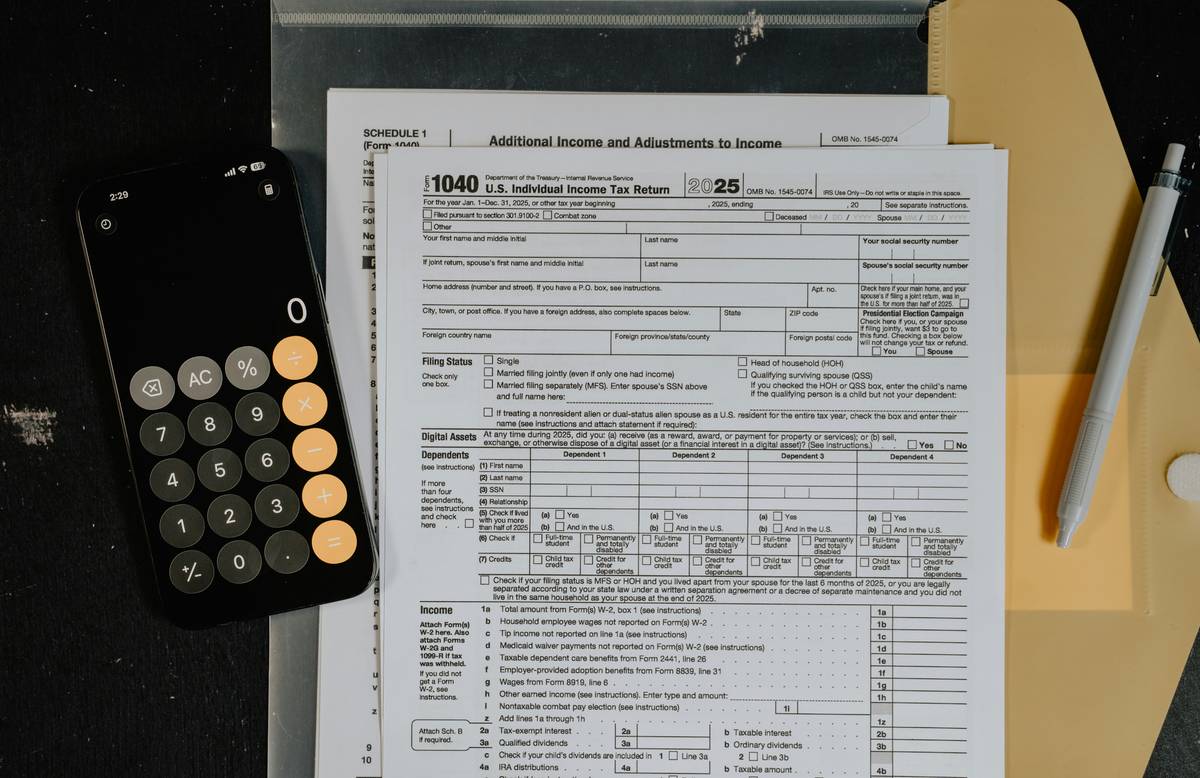
The Industry Secret: The “14-Day Flip” Strategy
Here’s what CPAs whisper about at conferences: elite hosts run two parallel calendars. One public listing for peak seasons—booked tightly within 14 days. Another “private” calendar for friends, family, or barter stays (counted as personal use). They never cross 14 paid nights. Ever. Income flows tax-free, while expenses get absorbed into primary residence deductions (mortgage interest, property tax). It’s not evasion—it’s optimization within literal statutory language. But it only works if you never list beyond the threshold. One slip, and the whole house of cards collapses.
Think about it: Would you rather pay 24% federal tax on $15,000—or keep it all? The math is simple. Discipline is hard.
Short Term Rental Tax Loophole FAQ
Can I really make unlimited income tax-free if I rent ≤14 days?
Yes. IRS Section 280A(g) explicitly excludes rental income from taxation if rented 14 days or fewer per year—regardless of amount.
Does Airbnb automatically report to the IRS if I stay under 14 days?
No. Platforms only issue Form 1099-K if you exceed 200 transactions AND $20,000 in gross payments. Under 14 days, you likely won’t hit either threshold.
What if I accidentally rent for 15 days?
The entire year’s rental income becomes taxable. You must report all income and can deduct expenses—but only in proportion to rental vs. personal use days.