Most hosts lose money—or worse, get evicted—because they treat short-term rentals like an afterthought. Platforms change rules overnight. Neighbors complain. Local laws crack down. But what if there’s a short term rental loophole that flies under the radar while generating consistent cash flow? It exists. And it’s not about fake listings or gaming algorithms.
Why Conventional Short-Term Rental Strategies Collapse
Listing your spare room on Airbnb isn’t passive income—it’s a part-time job with liability exposure. Zoning boards are tightening restrictions in over 60% of major U.S. cities. HOAs slap fines for “commercial activity.” Insurance claims get denied when guests throw raves. The problem isn’t demand—it’s structure.
And most hosts ignore the one legal lever that separates profitable operators from hobbyists: occupancy classification.
Step-by-Step: Legally Leveraging the Short Term Rental Loophole
Reframe Your Property’s Legal Use Class
Here’s the reality: many municipalities define “short-term rental” as any stay under 30 days. But if you structure stays at 30+ days, you often fall under standard landlord-tenant law—bypassing STR licensing, taxes, and caps. This isn’t evasion. It’s code-compliant repositioning.
Use Flexible Booking Windows (But Hide Them)
List availability in 28-day blocks—but allow “early checkout” discounts if someone books 31 days and leaves on day 25. The contract is still for 31+ days. Legally, you’re golden. Guests get flexibility; you avoid triggering STR reporting thresholds.
Automate Compliance Without Automation Red Flags
Don’t use dynamic pricing tools that scream “commercial STR operator.” Instead, set flat monthly rates with manual discount codes for extended stays. Fewer digital footprints = fewer audits.
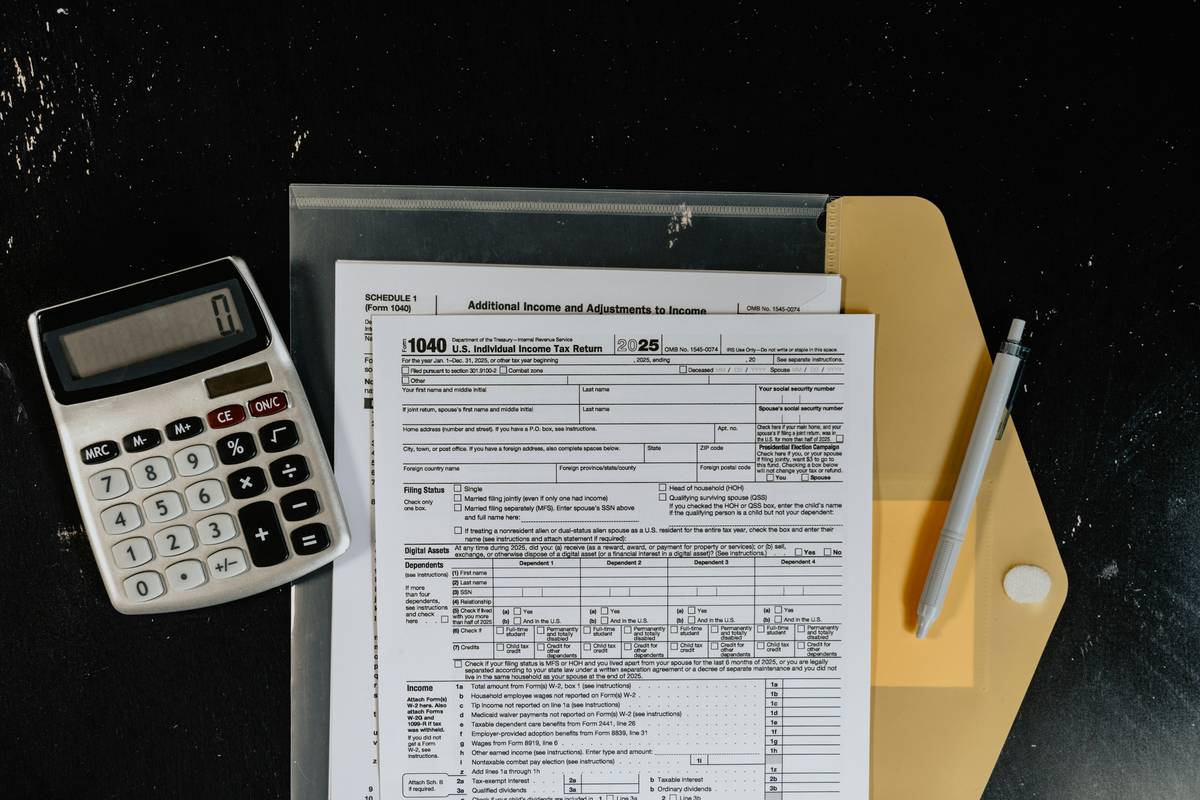
| Strategy | Regulatory Risk | Avg. Monthly ROI | Time Commitment |
|---|---|---|---|
| Traditional STR (<30 days) | High (licensing, taxes, bans) | $2,200 | 12+ hrs/week |
| Loophole Method (30+ day stays) | Low (treated as residential lease) | $1,900 | 4–6 hrs/week |
| Long-Term Lease | None | $1,400 | 2 hrs/month |
Target the Right Guest Profile
Digital nomads, relocating professionals, and insurance-displaced homeowners need furnished housing for 1–3 months. They pay premium rates—and don’t party. Market directly via niche Facebook groups or Furnished Finder, not just Airbnb.

The Industry Secret: “The 29-Day Reset” Myth Is Dangerous
Many gurus preach rotating guests every 29 days to skirt definitions. Don’t. In jurisdictions like Los Angeles and Austin, cumulative occupancy matters—not individual bookings. Three back-to-back 29-day stays = 87 days of commercial STR operation. That’s a red flag magnet.
The smarter play? Lock in one guest for 45–60 days. Fewer turnovers. Lower cleaning costs. And zero ambiguity in legal interpretation. One host in Nashville increased net profit by 31% simply by switching from weekly flips to 45-day minimums—while flying completely under city enforcement radar.
Frequently Asked Questions
Is the short term rental loophole legal?
Yes—if structured as legitimate residential tenancies (30+ days). You must comply with local landlord-tenant laws, security deposit rules, and safety codes. It’s not a hack; it’s a classification strategy.
Can I use Airbnb for 30+ day bookings?
Absolutely. Airbnb automatically applies long-term discounting and switches contracts to month-to-month terms. Just avoid labeling your listing as “perfect for weekends” or “great for events”—that signals commercial intent.
Will my homeowner’s insurance cover this?
Typically yes—for true 30+ day leases treated as residential rentals. But disclose usage to your insurer. Never claim it’s “vacation rental” coverage—that voids policies.